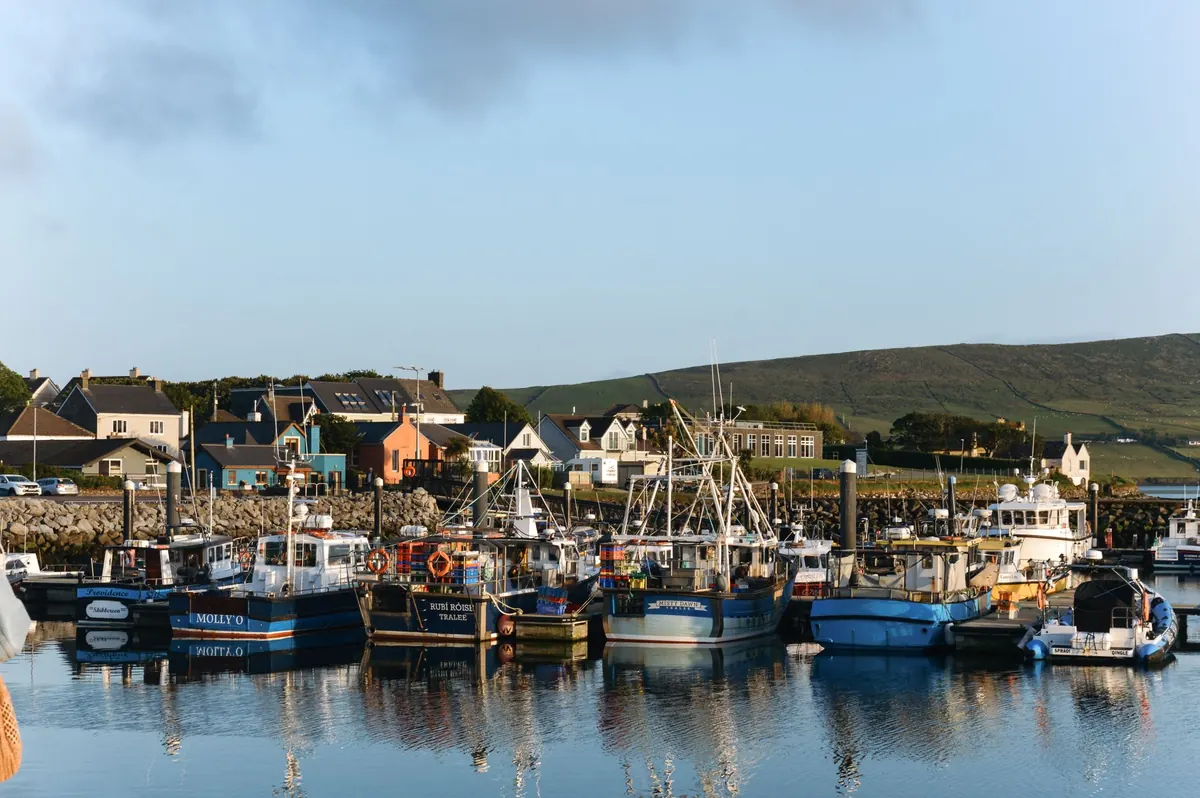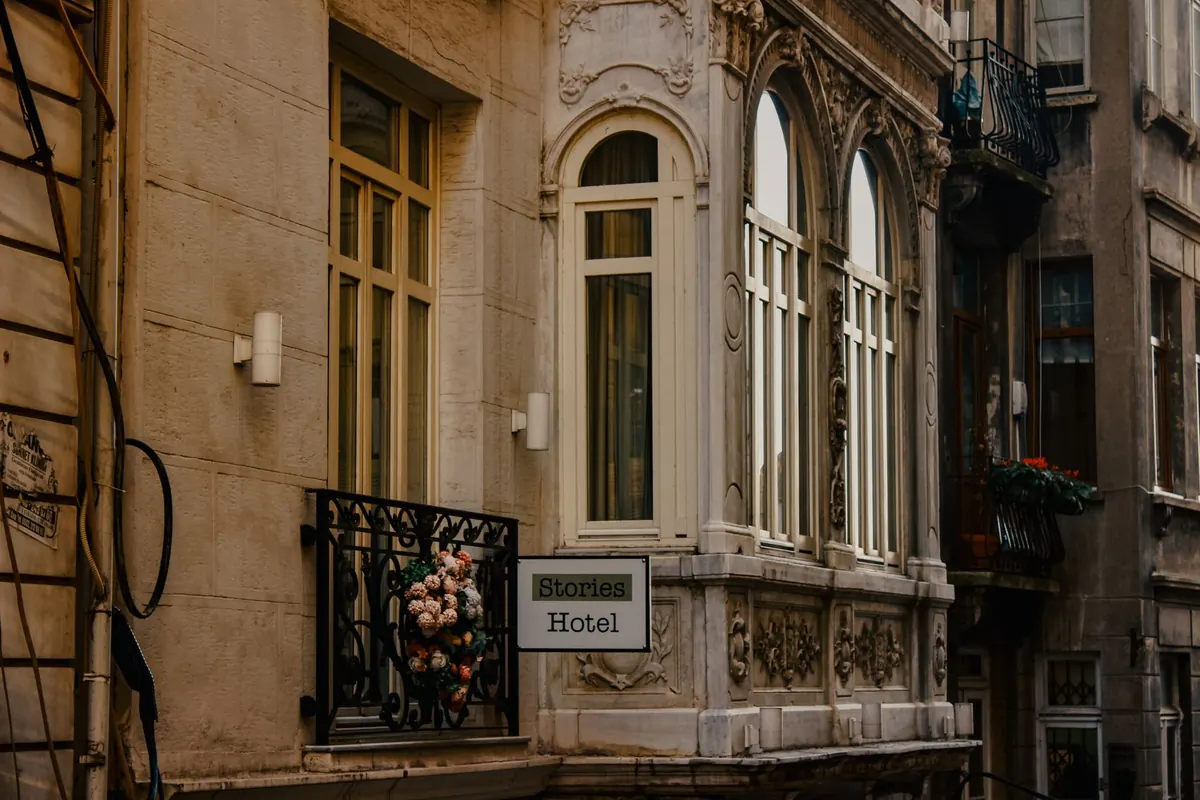
Two people can book a week on the same stretch of coast and come home with entirely different holidays. One remembers breakfast at a fixed hour, a lift to the third floor, and a pool where the sunbeds are claimed before nine. The other remembers a gravel path down to the water, coffee made in a small kitchen, and how quiet the bay goes once the day-trippers have driven home. Neither choice is wrong. But the choice shapes your days more than most travellers expect, so it is worth making it on purpose.
The Feeling of the Place Comes First
A standard coastal hotel is built for predictability. You hand over a card, you get a key, and the room is the same room you have had in a dozen other towns: neutral walls, a wardrobe, a chair with one arm worn smooth. That sameness is a genuine comfort after a late arrival or a long drive with tired children in the back.
A converted hay barn at the edge of a bay works the other way around. The building has a past, and it shows: thick stone, timber beams, walls that are not quite square, a doorway that needs a small nudge in humid weather. Rooms are rarely identical, so you end up with the one with the window that catches the evening light or the one nearest the outdoor table.
The trade is atmosphere over uniformity. There is no lobby to sit in, no receptionist to greet you by name, and no corridor hum to lull you to sleep. In exchange you get the sound of cicadas, shutters being pulled against the afternoon sun, and a building that feels like it belongs to the coast rather than to a brand.
Space, Sound and the Shape of an Evening
Hotels compress your holiday into a room plus a few shared spaces. That is efficient, and for a two-night stop it is often all you need. A house, even a modest one, reorganises the whole day.
Room to spread out
With a kitchen, a table and somewhere to hang wet swimwear, you stop living out of a suitcase. Breakfast happens at ten or eleven because the bread from the village shop was still warm at nine. A load of laundry in the evening means you pack half as much. These sound like small things until you are on day five with a damp towel and a suitcase that smells of the sea.
The hour you actually eat
Hotel dinner comes with a time slot. At the bay you eat when the light softens, or when the fish you bought that morning is finally cooked. You also get the in-between hours that hotels handle awkwardly: the long midday retreat indoors, then a swim at five when the beach has emptied and the water has had all day to warm up.
One caution worth planning for: an old building keeps its own climate. Thick walls help, but ask specifically about fans, air conditioning and insect screens before you book, especially in July and August.
Amenities: Front Desk Versus Your Own Kitchen
This is where the comparison gets practical rather than romantic. Neither side wins everything.
- Breakfast: a hotel serves it within a set window and clears it away; a kitchen serves it whenever you get up, with whatever you remembered to buy.
- Housekeeping: daily service versus none. Ask how often linen is changed and whether a mid-stay clean is included or charged.
- Cooling and shade: hotels usually have air conditioning as standard; older coastal buildings may rely on fans and shutters. Confirm, do not assume.
- Swimming: a pool with sunbeds is easy and supervised; swimming from rocks or a pebble bay is better, but check access, depth and whether you need water shoes.
- Connectivity: hotels generally have reliable Wi-Fi in public areas; a rural house may not. If you need to work, ask for a speed test rather than a promise.
- The extras: parking, beach towels, laundry, a cot, a barbecue, parking width for a large car on a narrow lane.
Service is the other difference. A front desk can book a boat, call a taxi, or find a pharmacy on a Sunday. An owner usually knows the coast better than any brochure and will tell you which beach to avoid when the wind turns. Both are useful; they are just different kinds of help.
Flexibility: What the Photos Do Not Show
Short breaks and late arrivals favour hotels. A front desk open until midnight, a minimum stay of one night, and a luggage room after checkout are hard to beat when your flight lands at eleven in the evening.
Longer stays and groups favour a house. You can arrive with three cars, cook for eight, invite the friends staying down the road for lunch, and let the children sleep in different rooms. But read the terms properly: minimum-night rules, changeover days, cleaning fees, deposit amounts and cancellation windows vary a great deal between properties, and a strict policy can undo the flexibility you were counting on.
Value: Reading the Bill Honestly
Headline rates mislead in both directions. A hotel rate typically bundles cleaning, linen, breakfast, pool and sometimes parking and a shuttle. That makes the total easy to see.
A house rate often sits on top of a cleaning fee, a local tourist tax, groceries, fuel and the odd extra such as a charge for air conditioning or late checkout. It is not automatically cheaper. What often changes is where the money goes: a family cooking breakfast and half its lunches at home can spend noticeably less than the same family eating three restaurant meals a day, and groups split a single weekly rent instead of paying per room.
Compare totals for your exact dates, not nightly prices, and get inclusions in writing. If you are booking something expensive or sending a large deposit abroad, pay by a method with buyer protection and read the cancellation terms before you transfer anything.
Which One Fits Your Trip?
- Choose the hotel for one or two nights, a late arrival, a solo trip where you want company and a bar downstairs, or a stay where you would rather not think about logistics at all.
- Choose the bay house for a week or more, two couples or a family, anyone who cooks, and travellers who would rather wake to birds than to a lift.
- Choose either if the location is right. A five-minute walk to the water beats a perfect bathroom every time.
A Short Practical Checklist Before You Book
- Map the last two hundred metres. Gravel tracks, steep lanes and unlit entrances matter at night and with a loaded car.
- Ask for the exact sleeping arrangement, not the capacity. A sofa bed in a living room changes how a group of six actually lives.
- Confirm the heat plan in writing: fans, air conditioning, screens, and whether windows have shutters.
- Check the nearest food shop and its closing time, then plan your first dinner accordingly.
- Ask what is included and what is charged on arrival: linen, towels, cleaning, tax, parking, pets.
- Schedule arrival before dark if the property is rural. It makes the first evening calmer and the second day easier.
Then decide what kind of holiday you are actually after. If you want to be looked after, book the hotel and enjoy it without apology. If you want the bay to set the rhythm of your days, a barn by the water will give you something a corridor never can.
Photo: Kadir Bozdağ / Pexels