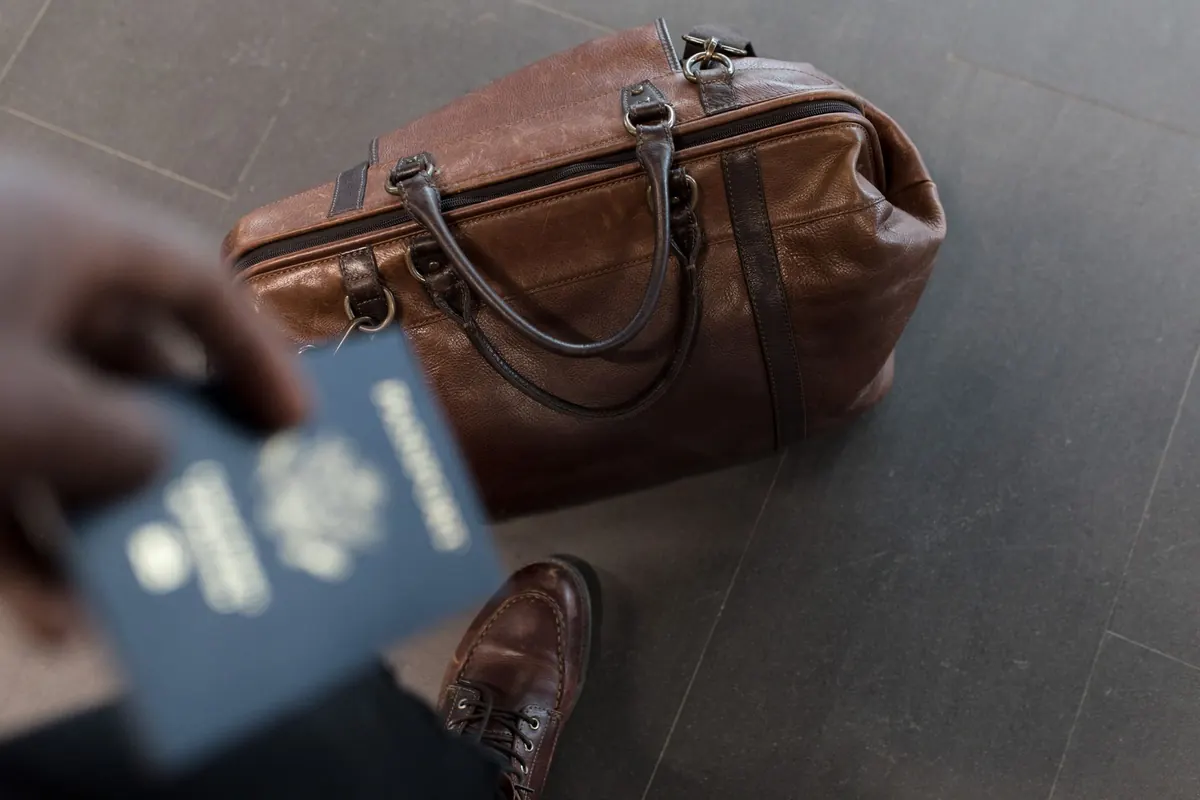
A rustic seaside stay asks for a different kind of packing than a hotel on the promenade. There is no one at reception with a spare toothbrush, the laundry might be a line strung between two olive trees, and the route to the water is more likely to be gravel and warm stone than a paved walkway. That is the appeal — but it also means your bag has to do more of the work. Get it right and the week feels slow and easy. Get it wrong and you spend the first afternoon driving to the nearest shop for a towel and a torch.
Start with the season, not the suitcase
Before anything goes into a bag, answer three questions. Which month are you travelling? How exposed is the property — open to the wind, shaded by pines, up a hill? And how far is the closest shop that sells anything useful? The answers change the list more than any generic packing guide will.
Coastal weather swings hard between seasons, and it swings hardest in spring and autumn. A May morning on the terrace can be cool enough for a jumper, while two in the afternoon has you looking for shade and a second swim. Late September often behaves the same way, with warm water and evenings that turn sharp once the sun drops behind the headland.
It is also worth asking your host what the building actually provides. Rustic places vary enormously: one will have a hairdryer, a proper coffee pot and a washing machine; another will have a bed, a chair and a view. A short message before you travel saves a lot of improvisation.
Clothing that layers well and dries fast
Cotton and linen earn their place at the coast, but anything that holds water for hours will make your bag heavy and your evenings damp. Choose fabrics that dry overnight on a line, and build around layers rather than outfits.
For high summer
- Two or three light shirts or dresses, plus one long-sleeved layer for sun protection and evening mosquitoes.
- Swimwear — bring two sets so one can dry while you wear the other.
- Shorts and a pair of light trousers for cooler nights or a restaurant visit.
- A wide-brimmed hat that survives wind, and sunglasses with a strap if you swim.
- One slightly smarter outfit, packed flat, for the evening you decide to eat somewhere with tablecloths.
For spring and autumn
- A thin merino or fleece mid-layer, a windproof shell, and a scarf that doubles as a pillow on the journey.
- Long trousers and walking socks; stone floors and tiled rooms stay cold well into the season.
- Warm sleepwear. A thick-walled stone house holds the night chill and, in the shoulder months, can feel cooler inside than out.
- One extra jumper more than you think you need. It is the item people most often wish they had brought.
Leave the heavy denim at home. It takes a day to dry, weighs a kilo, and is the last thing you want against your skin after a swim.
Footwear: the category worth overpacking
You need fewer shoes than you think, but the right ones. Coastal ground is uneven — rough steps cut into rock, loose gravel paths, wet tiles around a shared shower, a sea urchin or two in the shallows.
- One pair of sandals that can get wet. Rubber soles with grip, not leather. These handle the beach, the shower and the walk back from the water.
- One pair of closed shoes with a proper tread. Trainers or light walking shoes for rocky paths and for the evenings when the steps down to the village are slick.
- One pair of something comfortable for indoors if the floors are cold stone or the stairs are bare.
- Socks and blister plasters. Small, cheap, and the difference between a good walk and a ruined day.
If you are flying with cabin baggage only, wear the bulky pair on the plane and pack the flat ones. And give new sandals a week of wear before you travel — the coast is not the place to break them in.
Beach gear, kept simple
Rustic beaches often come without services. No loungers, no umbrellas for hire, sometimes no shade at all. Pack as though you are the only person providing for yourself, then add a little comfort.
- Two towels per person. One for the beach, one for the room. A thin Turkish towel is lighter than terry cloth, dries in the sun in under an hour and doubles as a picnic blanket.
- A refillable water bottle and a small cool bag or insulated flask if you walk far.
- A dry bag or two for phones, keys and the paperback that always ends up damp.
- A canvas tote for wet swimsuits, shells and the inevitable bag of figs from a roadside stall.
- Snorkel and mask if you have them and space allows; rentals are thin on quiet stretches of coast.
Check local rules before you leave anything on the sand overnight — umbrellas left standing can be a nuisance on shared beaches, and winds pick up fast after dark.
The extras that make a rustic stay comfortable
This is where experienced travellers earn their reputation. None of these items is glamorous, and all of them get used.
- A head torch and a small power bank. Rural lanes lose their lighting entirely, and phone batteries drain fast when you are taking photographs all day.
- A travel adapter and a short extension lead if there are only two sockets in a room built for one lamp.
- Clothesline and pegs. A length of thin cord and six pegs weigh almost nothing and turn any balcony into a laundry.
- Insect repellent, plus something for the itch. Evenings near water and vegetation are their own ecosystem.
- A basic first aid pouch — plasters, antiseptic, tweezers for splinters and, on many coasts, sea urchin spines.
- Earplugs and an eye mask. Shutters rattle, cicadas are loud, and a rooster is a rooster.
- Corkscrew, bottle opener and a small sharp knife — in checked luggage, or buy them cheaply on arrival.
- Reusable containers and a cloth bag for market shopping and leftovers.
If any of this touches on a health matter for you — sun exposure, insect bites, a chronic condition — speak to a pharmacist or your doctor before travelling rather than relying on a packing list.
Pack light, and leave room
Lay everything out on the bed, then take two items away. That is usually the correct amount. A rustic seaside stay rewards a bag you can carry up a flight of stone steps in one trip, and it rewards leaving space at the end for the things you will actually want to bring home: a bottle of oil from the grove up the road, a bag of salt, a piece of pottery that weighs more than you expected.
Fold a soft tote into the side pocket for exactly that. Everything else can be washed in a basin and dried on the line by lunchtime.
Photo: nappy / Pexels