The bay has two lives. From late June to the end of August it belongs to beach clubs, parking queues and the smell of sunscreen. The rest of the year it belongs to the people who live here, plus the handful of travelers who have worked out that a coastal town is often more itself in October than in July. What follows is a month-by-month walk through the calendar — weather, crowds, what stays open, and how the place feels — so you can choose your window with your eyes open rather than guessing.
January to March: The Coast Keeps Its Own Company
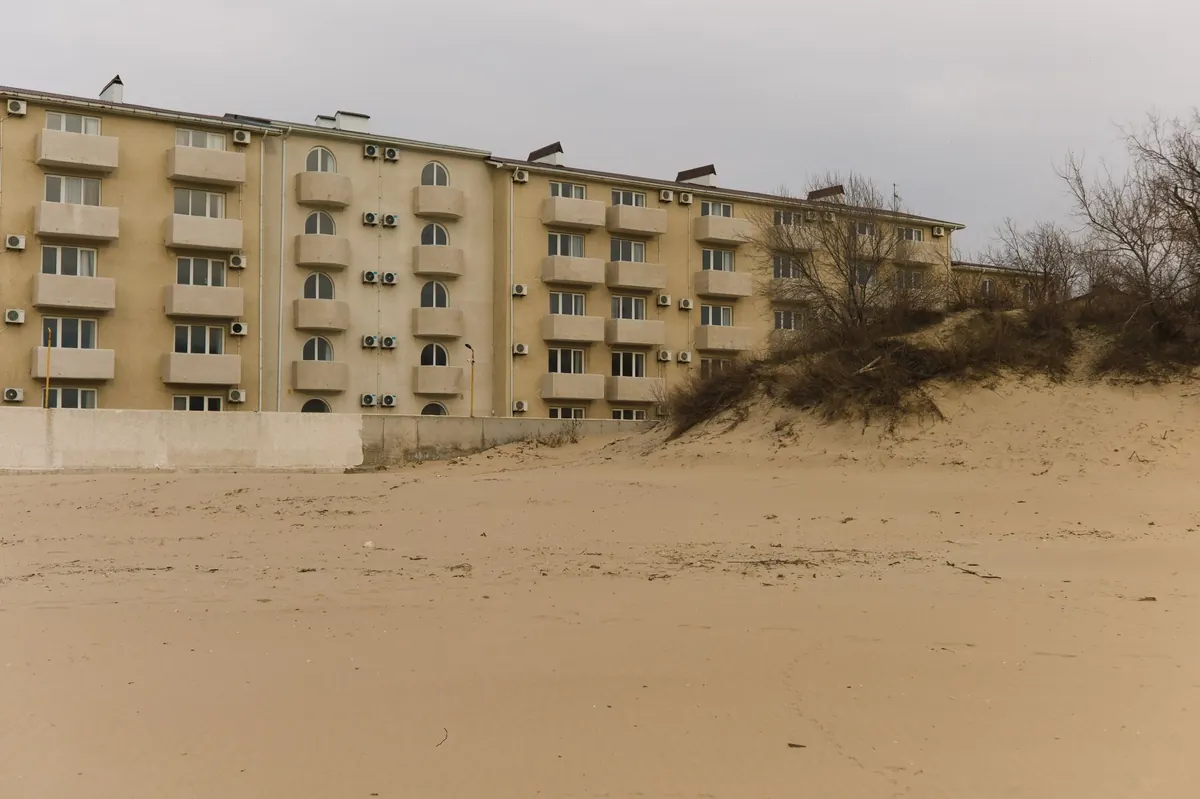
Winter here is not a resort season, and that is the point. Expect short daylight, grey-green water, and a town running on its own errands: the bakery queue, the school run, the argument outside the bar about the football. Many seafront hotels and family-run guesthouses close after New Year and reopen near Easter, so the first practical step is checking opening dates before you fall for a photograph.
January and February
Cold mornings, occasional sharp sunshine, rain that arrives in bursts rather than settling in for days. Several restaurants take their own holidays in this stretch, often a few weeks between January and March, so call ahead instead of turning up. Headland paths and promenades are empty; you may walk for an hour without passing anyone.
March: the first shift
By mid-March the light changes. Days stretch, citrus and almond blossom appears, and a few places start opening at weekends. The sea is still bracing and swimming is for the hardy — if you go in, go near others and know your limits. Rates sit at their lowest of the year, which makes March better suited to a long, slow stay than a short splurge.
April and May: The Best Value of the Year
Ask people who work in coastal hospitality when they would travel, and many will say May. Warm but not hot, green hills, wildflowers on the paths, and enough open businesses that you never feel stranded. The water is warming slowly and stays cool — plenty of locals wait until June — but walking, cycling and eating are at their best.
April
Easter can be busy for a long weekend, with Italian families reopening second homes; those few days can feel like a preview of summer. Outside them, April is quiet and changeable: a blazing afternoon, then a wet morning two days later. Pack layers rather than one heavy coat.
May
This is the month to book if you want long light, open restaurants and room to move. Expect the first proper beach days, kayaks and boat trips restarting, and a mixed crowd of northern European couples, walkers and Italians taking Friday-to-Sunday breaks. Reserve the weekends, leave midweek loose. Kitchens still keep their off-season rhythm, so lunch is often a safer bet than a late dinner.
June: The Last Quiet Stretch
Early June still feels like a shoulder month; late June does not. If you want warm sea without peak-season noise, aim for the first three weeks. School holidays across much of Europe begin in the second half of the month, and you can feel the shift over a single weekend — more cars on the coast road, more beds made up, more staff arriving.
Two habits help in June: swim in the morning, when the water is calm and the beach is empty, and eat dinner early by local standards, around 19:30, before the rooms fill. Lifeguard cover usually begins as beach clubs set up, but it varies from bay to bay — check locally rather than assuming.
July and August: Honest Advice for the Peak
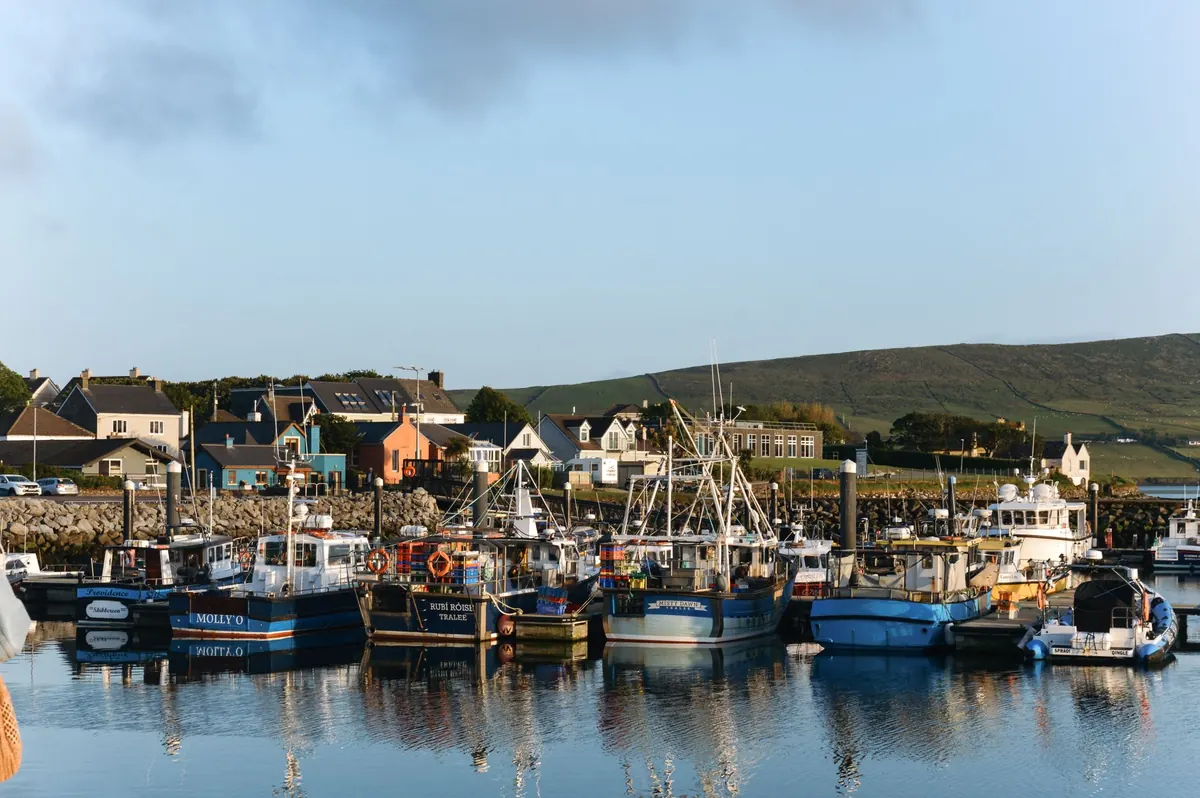
Peak season is not the enemy, but it asks more of you. Prices climb, parking near the water becomes a competitive sport, and the middle two weeks of August — around Ferragosto on 15 August — are the busiest of the year, when Italians take their holidays and small towns swell. Book accommodation and any boat trips well ahead; arriving hopeful in mid-August rarely works out.
A calm time is still possible. Get up early, be on the beach by 08:30, retreat indoors through the hot middle of the day, and go out again in the evening. Shop at the morning market before 10:00. If you want silence, stay a few streets back from the seafront rather than on it.
September and October: The Second Summer
September is the month regulars guard jealously. The sea holds the summer's warmth — often it feels warmer now than in June — the light softens, and the crowds thin after the first week as schools reopen. Beach clubs stay open for a while, then start stacking loungers and dismantling umbrellas, so check dates if a sunbed matters to you.
October is a different pleasure: warm days, cool evenings, grape and olive harvests in the hills, mushroom dishes on menus. Rain becomes likelier, sometimes as a proper autumn storm that turns the sea white for a day — a mareggiata — and then clears. Seaside restaurants close one by one through the month, so eat where the lights are on and take the advice of whoever is still open.
November and December: Short Days, Long Lunches
November is the quietest month of all and the most weather-dependent. Storms, rain, and a coast that shuts down gently: many hotels close, some restaurants take their annual break, ferry and bus schedules slim down. If you come, come for the indoors — long lunches, fireplaces, walking between showers — and confirm every opening you depend on.
December has its own charm. Christmas markets in nearby towns, cooler air, a handful of restaurants open for festive lunches. New Year's Eve on the coast is a local affair rather than a tourist one. Between Christmas and early January expect a short burst of visitors; otherwise the promenade is yours.
Before You Book: A Quiet-Season Checklist
- Confirm, don't assume. Check opening dates for your accommodation and two or three restaurants you care about, then re-check a week before you travel.
- Ask about transport. Off-season ferry and bus timetables are thinner; a route that runs hourly in July may run twice a day in November.
- Pack for two seasons. Even in May or October, evenings turn cool and rain arrives suddenly. A light waterproof, a warm layer and shoes with grip cover most of it.
- Choose a flexible rate. Off-season weather is unpredictable, and a cancellable booking is often worth more than a small discount. Read what your travel insurance actually covers for weather disruption.
- Plan around the light. In winter, walk in the morning and drive in the afternoon. Coastal roads are slower in the dark and after rain.
- Eat where the locals eat. In quiet months a busy dining room is the best signal in town, whatever the reviews say.
Pick your month by what you want from the trip: emptiness in February, warmth without crowds in early June, sea and soft light in September. The bay shows a different face in each of them, and none of them is the wrong answer.
Photo: Erik Mclean / Pexels