A sea view is the easiest thing in the world to sell and one of the hardest to verify from a screen. Two listings can promise the same bay and deliver very different mornings: one a wide, open horizon you can watch from bed, the other a slice of blue wedged between a rooftop and a pine tree. The gap is rarely dishonest. Wide lenses, clever angles, changing seasons and simple geography all do the work. What follows is the checklist worth running through before you confirm a coastal stay, in roughly the order you would actually ask the questions.
1. Read the Photos Like Someone Trying to Catch Them Out
Listing photography is shot to flatter. That is fine, as long as you adjust for it. Start with the horizon line: if it curves noticeably, the shot was taken with a wide lens, and everything in the frame is further away than it feels. A terrace that appears to hang over the water may sit thirty or forty metres back.
Then look at the edges of the frame, not the middle. What has been cropped out — a neighbouring wall, a car park, the corner of a larger building? Count the rooftops and trees you can see and ask what stands behind them. Check whether every photo of "the view" was taken from the same spot. If all of them come from one corner of the terrace, that corner may be the only place the view exists.
Finally, ask for one plain, unedited phone photo taken at eye height from where you would actually sit, with no zoom. Hosts who have nothing to hide send it within a day.
2. Put the View on a Map Before You Fall for It
Satellite imagery settles most arguments. Find the property, then use the scale bar to measure the distance to the shoreline rather than guessing. Thirty metres sounds like nothing until you learn that a coastal road, a strip of parking and a row of beach umbrellas occupy all of it.
Scan the immediate surroundings for things photographs conveniently exclude: a ferry landing, a beach club with amplified music, a marina fuel dock, a scrapyard, an empty lot with planning permission. Then check the compass direction of the terrace. A west-facing balcony means sunsets and afternoon heat; an east-facing one means early light and shade by three o'clock. Neither is better, but one may suit you far more than the other.
3. Ask What Sits Between the Balcony and the Water
Peek, partial or full
"Sea view" covers everything from a sliver of turquoise above a water tank to an uninterrupted sweep of bay. Ask the host to describe it in plain measurements: how many metres of open water can you see from the chair on the terrace, and what interrupts the line? Power lines, a tall hedge, a church tower and a growing umbrella pine all count. A useful phrasing: "If I stand at the railing and look straight ahead, what is in my field of view?"
The room you will actually use
A sea view from a bedroom you only sleep in is worth less than a partial view from the terrace where you will eat breakfast. Ask which rooms have the view and whether the terrace is private to the unit or shared with others in the building. If the terrace is the selling point, ask for its dimensions and how many people it seats.
4. Access: Steps, Sand and the Last Hundred Metres
The distance to the sea matters less than the effort of covering it. A house two hundred metres from the beach up a flight of eighty steps feels considerably further in August with shopping bags and a tired child. Ask specifically:
- How many steps or how steep is the path between the property and the water?
- Is the swimming entry sand, pebbles, rock platform or a ladder?
- Is the nearest beach free and public, or does it belong to a club with a daily charge?
- Can you park near the door, and is the final approach a narrow lane, a pedestrian street or a restricted traffic zone?
- How long is the walk in real minutes, not map minutes?
If anyone in your party has limited mobility, ask for photographs of the route itself, not just the destination.
5. Privacy Is Part of the View
A view out is only half the story; the other half is who can see in. Ask directly whether the terrace or balcony is overlooked by another property, a public footpath or a neighbouring hotel. Ground-floor terraces beside a coastal walkway can be lovely and thoroughly exposed. Shared roof terraces often have sightlines straight across to each other.
Two questions do most of the work: "Is the outdoor space overlooked?" and "Is there a path or public access beside the property?" If the answer is vague, ask for a photo taken from the terrace looking back at the building. Shutters, curtains and awnings help, but they also close off the view you came for.
6. Check the View in the Month You Are Travelling
Views are seasonal. Deciduous trees leaf out in spring and bare in November, opening or closing a sightline entirely. Summer haze softens the far side of the bay; winter air is often clearer. The sun sets in a different place every few weeks, so a headland that frames a June sunset may block the light by September. Beach clubs erect umbrellas, marquees and changing cabins that appear in none of the winter photographs.
Ask for images of the same view taken in the month you plan to travel, or at least a clear description of what changes. It is also worth asking what is open nearby in shoulder season: restaurants, ferries and beach facilities often run reduced hours outside July and August.
7. Get the Specifics in Writing
Before any payment, confirm the essentials in a message you can keep. It protects you and gives the host a chance to be helpful rather than promotional.
- The exact unit, floor and building, so you know which windows you are getting.
- Whether the view is full, partial or from a single room, and whether anything obstructs it.
- Terrace size, and whether it is private or shared.
- Steps, access route and parking arrangements.
- Air conditioning, heating, Wi-Fi and hot water — the practical things that shape a stay.
- Known building work, events or noise sources nearby.
- Deposit, cancellation terms and check-in times, written out rather than summarised.
On money matters, keep the terms in writing and read them before transferring anything. If deposit or contract conditions are unclear, ask for clarification and, for larger sums, consider taking advice or using a payment method that offers some protection.
The Five-Minute Check Before You Book
Stand back from the listing and ask three questions. Is the view photographed from where I will actually sit? Is the distance to the water measured in metres and steps, not adjectives? And do I have the important details in writing, in the month I am travelling?
If the answers are clear, book with confidence. If a host dodges a simple question about what stands between the balcony and the sea, that silence is an answer too. The best coastal stays are not the ones with the most dramatic photographs; they are the ones where the view at seven in the morning matches exactly what you pictured at the desk at home.
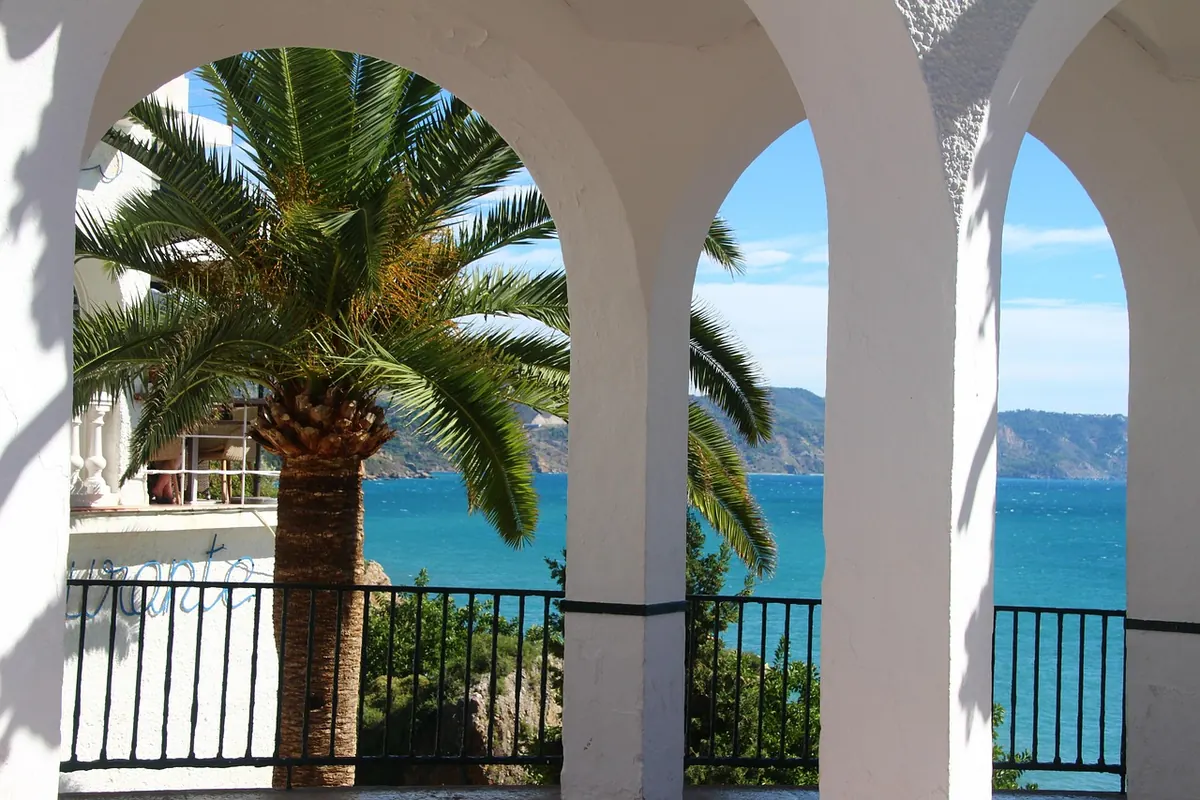
Photo: Freiheitsjunkie / Pixabay